
-
×
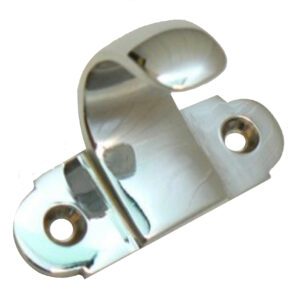 Abbey Chrome Sash Window Lifts-pair
1 × £38.99
Abbey Chrome Sash Window Lifts-pair
1 × £38.99
Subtotal: £38.99
Most bettors treat every race like a sprint; on a slow track you’re forced to rethink the whole premise. The going can turn a champion into a pretender, and the slightest miscalculation becomes a costly mistake. Here is the deal: you have to respect the turf’s temperament the same way a chef respects the heat of a pan.
First, look at the morning reports. A “yielding” description hints at a muddy canvas that will sap stamina. A “soft” note means the surface will cushion each stride, favoring horses that can glide rather than pound. By the way, never trust a single source; cross‑check the trainer’s comments against the official track condition. The nuance is where the edge lives.
Some bloodlines are built for stamina, not speed. Think of them as marathon runners versus sprinters. If a pedigree boasts “stout” ancestors, that horse is likely to stay on its feet when the going gets tough. And here is why: slower ground amplifies the impact of a horse’s endurance, not its raw speed.
On a sluggish surface, a few extra pounds are a mountain. A horse carrying a high weight on a fast dirt track might still be a contender, but on a soft turf the same weight can be a death sentence. Look for horses assigned lighter duties; they often have the hidden upside that others overlook.
Fast early fractions are a red flag. When the pace collapses on a slow track, front‑runners burn out like a candle in wind. Patience pays when you back a horse that settles behind the leaders, ready to strike as the leaders fade. In other words, the race becomes a chess match, not a dash.
Veteran riders know when to “hold up” a mount. A jockey with a reputation for gentle handling on soft ground is a gold mine. Their intuition can’t be captured in raw speed figures alone. Trust the whispers from the saddles, not just the numbers on the screen.
Exacta boxes become risky; the field shuffles and the odds balloon. Instead, lean toward simple win or place bets on proven stayers. A modest three‑to‑one win can outshine a fancy quinella that’s likely to lose value as the race drags. Keep the play clean, keep the risk low.
Match the horse’s stride to the track’s tempo, and you’ll snag value where others see only mud. Snap up a low‑weight, stamina‑rich runner when the surface reads “soft” and let the pace decide the rest. Bet on the horse that can survive the grind, and you’ll ride the slower track to profit.